
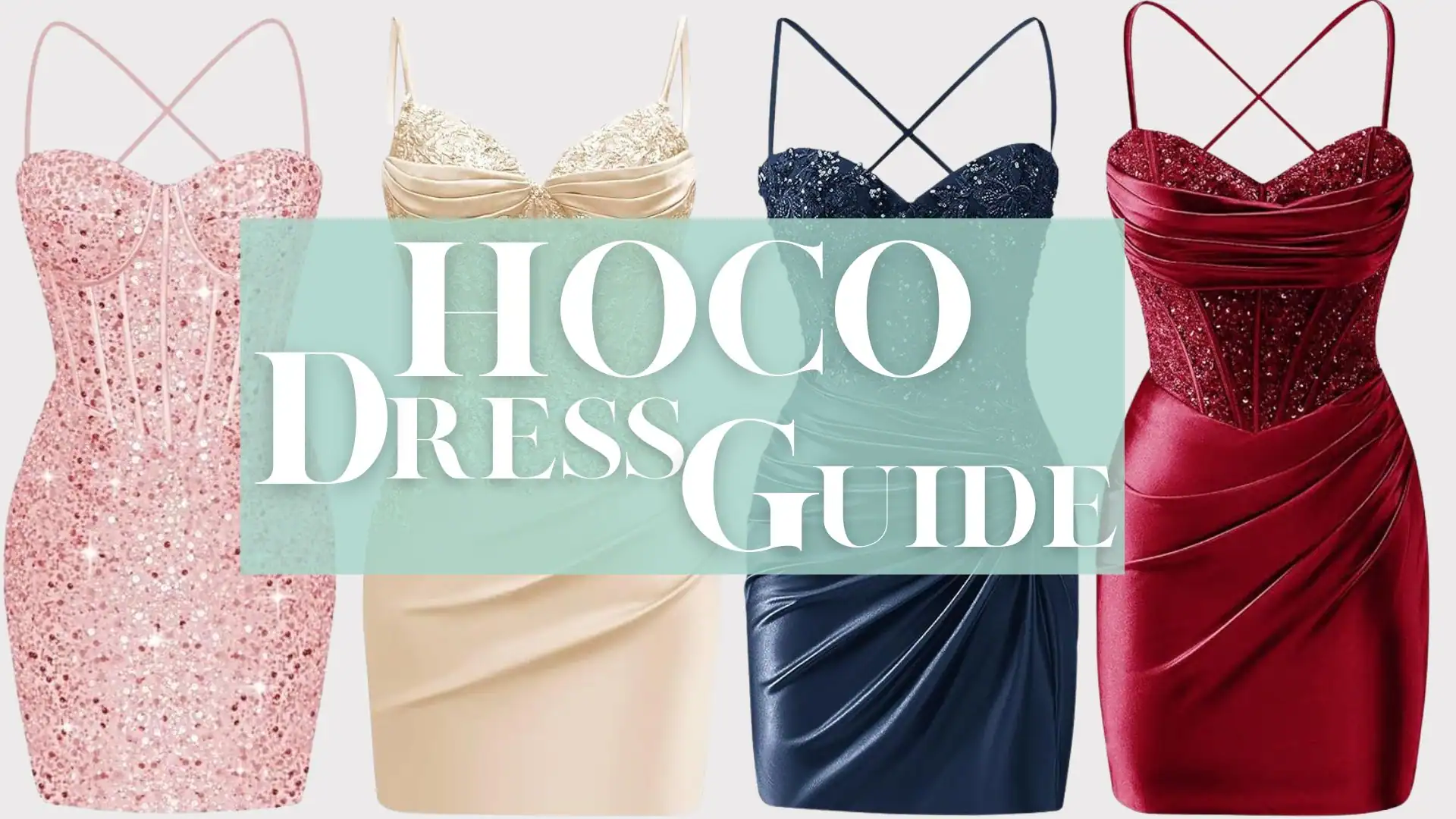
How To Choose A HOCO Dress That’s Right For You AND The Occasion
Choosing the perfect hoco dress can feel overwhelming — but it definitely doesn’t have to be!
There’s nothing worse than standing in front of your closet before homecoming or endlessly scrolling through all your mini dresses, wondering which one will actually suit you and fit the vibe of the night.
From strapless styles to long sleeve options, there are so many choices that it can be hard to know where to start.
Finding a pretty homecoming dress that not only flatters your body shape but also feels fun, unique, and appropriate for the dance can feel tricky.
Whether you want a short mini dress, a sleek party dress, or a simple yet stylish dance dress, the good news is with this step by step guide you can easily narrow down the best options.
If you’ve ever struggled to figure out what style or features suit your body type, what colors enhance your natural glow, which hoco dresses will make you feel confident, or how to choose between long sleeve and strapless designs, this guide is for you.
In this article, we’ll help you confidently choose the perfect homecoming dress by showing you all the factors that you need to take into consideration so that you pick the best mini hoco dress for you & you can dress to impress and feel amazing on your special night.
Let’s dive in and find your dream hoco dress!
Pro Tip: Pin your favorite looks to your Pinterest boards for style inspiration
Table of Contents
- Step 1: Consider the Occasion — Homecoming Vibes Matter
- Step 2: Understand Your Body Type
- Step 3: Choose the Right Dress Length
- Step 4: Choose the Right Dress Style
- Step 5: Think about fabric and texture choices
- Step 6: Find your perfect color palette
- Step 7: Consider how the dress fits your personal style
- Step 8: Explore Our Hoco Dress Blogs and Dress Brands
- Step 9: Try It On As Soon As You Buy
- What kind of dress should you wear to Hoco?
- What is the dress code for homecoming?
- What to wear to homecoming instead of a dress?
Step 1: Consider the Occasion — Homecoming Vibes Matter
Before picking your hoco dress, the first thing to think about is the vibe of the event. Homecoming is usually a semi-formal dance — not quite as formal as prom, but definitely more special than a casual get-together.
This means you want a dress that feels fun, pretty, and dance-ready, while still giving off a polished, put-together look.
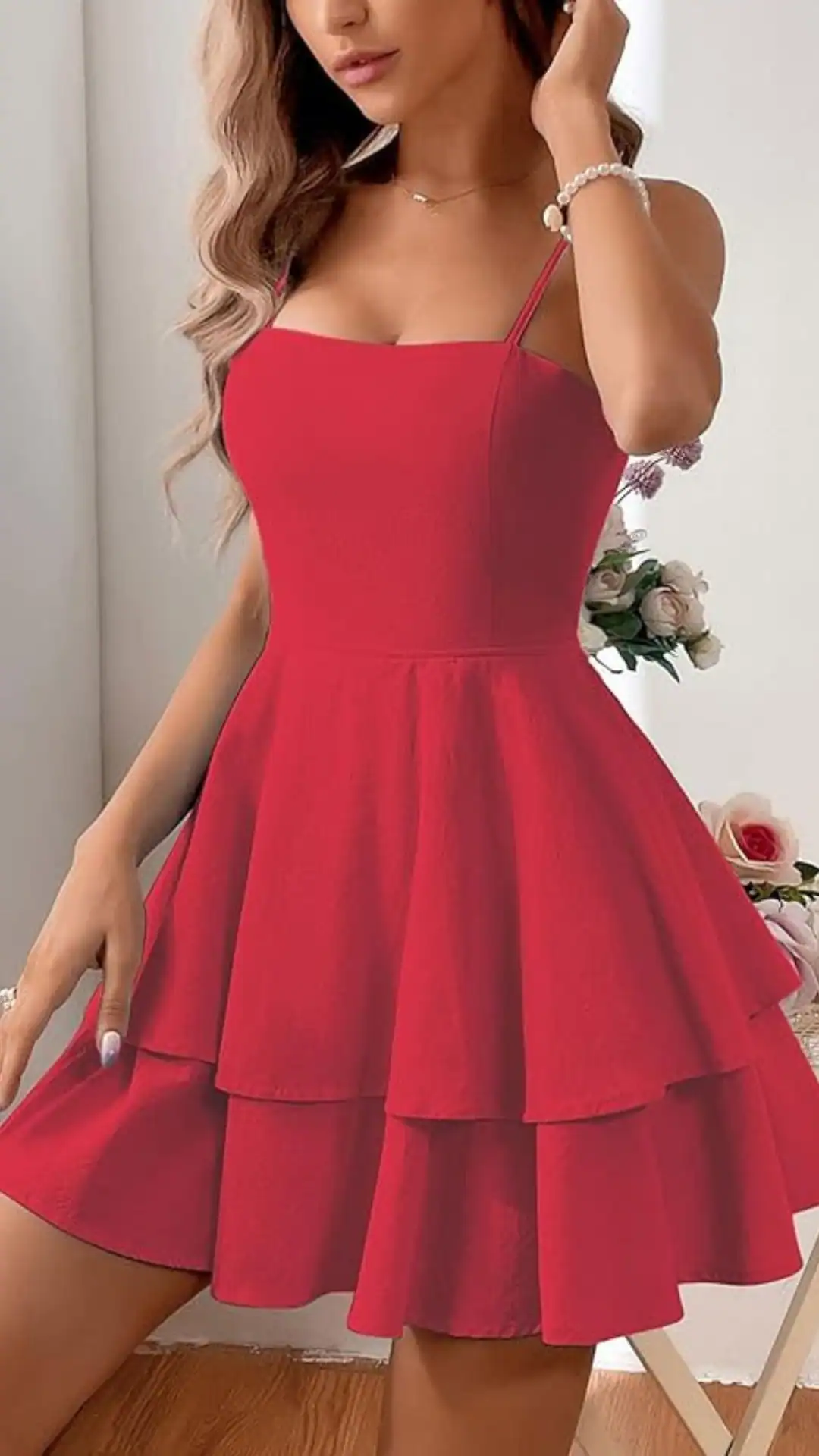
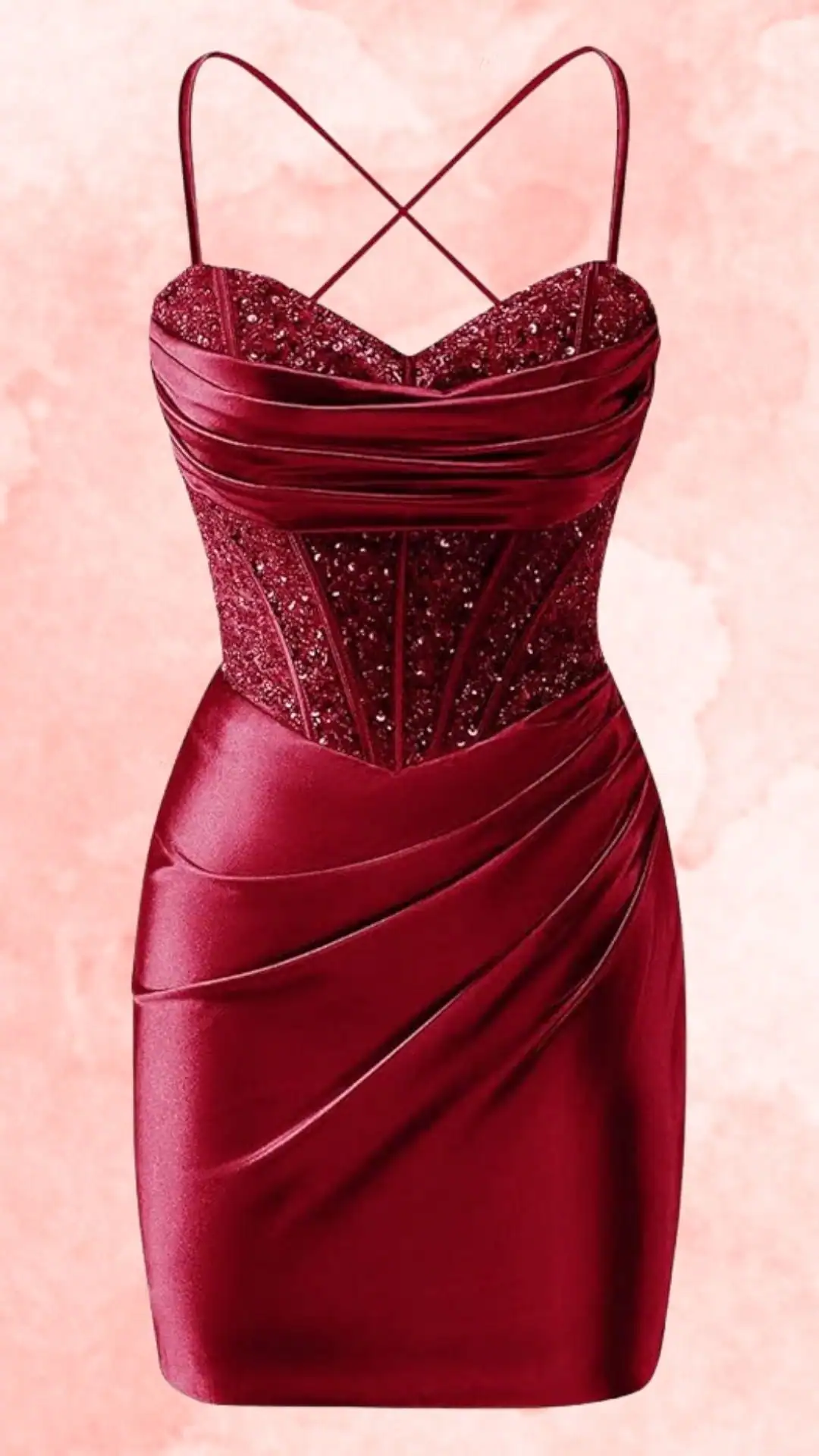
Mini dresses, tight silhouettes, strapless cuts, and even long sleeve options are all popular choices for homecoming dresses, depending on your personal style. Fabrics like satin, sparkly sequins, or flowy chiffon can make your outfit stand out, while details like sheer paneling, lace, or unique embellishments add a little extra flair.
Remember, homecoming dresses are typically short or mini, so it’s the perfect time to embrace a party dress that’s youthful, comfortable enough to dance in, and lets your personality shine.
Bottom line: hoco is about having fun and feeling amazing — so pick a style that makes you feel confident and fits the dance dress vibe. Think festive, flattering, and unique, rather than formal or overly casual.
Step 2: Understand Your Body Type

Understanding your body shape and how different homecoming dress styles can accentuate your best features will help you choose a dress that actually flatters your figure and makes you feel confident on the dance floor.
There are many different body types, and each one has its own unique beauty. Whether you have an hourglass figure, a pear shape, or are more rectangular, the goal is to balance proportions and highlight what makes you feel your best.
For many, the waist is the focal point of a flattering dress:
- If you have a naturally defined waist, choosing dresses that highlight it will accentuate your curves beautifully. A-line and fit-and-flare styles are perfect for this since they’re already the most popular homecoming dress styles and naturally emphasize the waist.
- For those with a straighter shape, belted homecoming dresses or styles with cinched waists can create the illusion of a more defined waistline. Two-piece sets with crop tops can also help create this effect.
For others, you may want to focus on dresses that emphasize or harmonize your body proportions.
- If you have broad shoulders, it’s all about creating balance with your lower body. A-line homecoming dresses that add volume to the hips can balance out broad shoulders and create a more harmonious look.
- On the other hand, if your lower body is more prominent, consider homecoming dresses that highlight your upper body with interesting necklines, embellishments, or details that draw attention to your waist to even out your proportions.
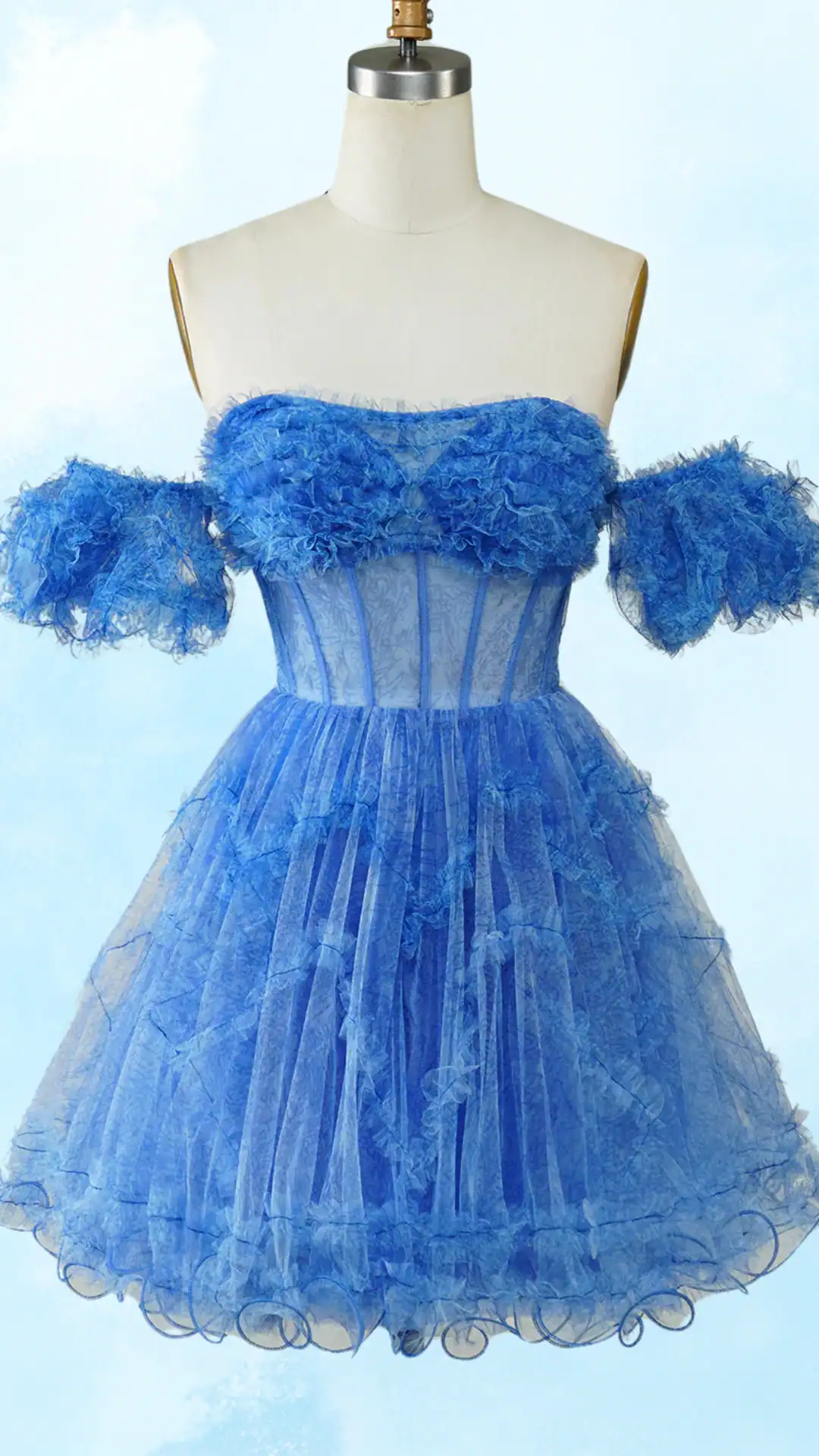
Step 3: Choose the Right Dress Length
Choosing the right length for your homecoming dress is crucial since it affects both your comfort level and how appropriate your outfit is for the event. Unlike prom where floor-length gowns are the norm, homecoming offers more flexibility in length options.
The most popular choice is above-the-knee to knee-length dresses, which perfectly match the semi-formal nature of homecoming. These lengths are practical for dancing, align with most school dress codes, and create that classic homecoming look that’s dressy but not overly formal. Mini dresses that hit mid-thigh can work well if they meet your school’s fingertip-length requirement and you feel comfortable dancing in them.
Knee-length dresses offer a bit more coverage while still maintaining the typical homecoming vibe. They’re a great middle ground if you want something that feels more modest but still fits the expected dress code. Tea-length dresses that fall mid-calf are less common but can be elegant if you prefer more coverage or want to stand out with a slightly different look.
While floor-length dresses aren’t prohibited, they’re unusual for homecoming since the event is less formal than prom. If you choose a longer dress, make sure you’re comfortable dancing in it and that it fits the overall atmosphere of your school’s homecoming.
If you’re still unsure and want to find a compromise, you could opt for a high-low dress. These dresses feature a shorter hemline in the front (usually knee-length or slightly above) and a longer back that can range from mid-calf to floor-length.
High-low dresses give you the best of both worlds – the practicality and classic homecoming look of a shorter dress in the front, while offering more coverage and elegance in the back. They’re perfect if you love the drama of a longer dress but still want the freedom to dance comfortably without worrying about stepping on your hem.
High-low styles also photograph beautifully from all angles and can make you feel unique since they’re less common than traditional short dresses. Just make sure the front length meets your school’s dress code requirements, and choose a style where the length difference isn’t too dramatic so it still feels appropriate for homecoming’s semi-formal atmosphere.Retry
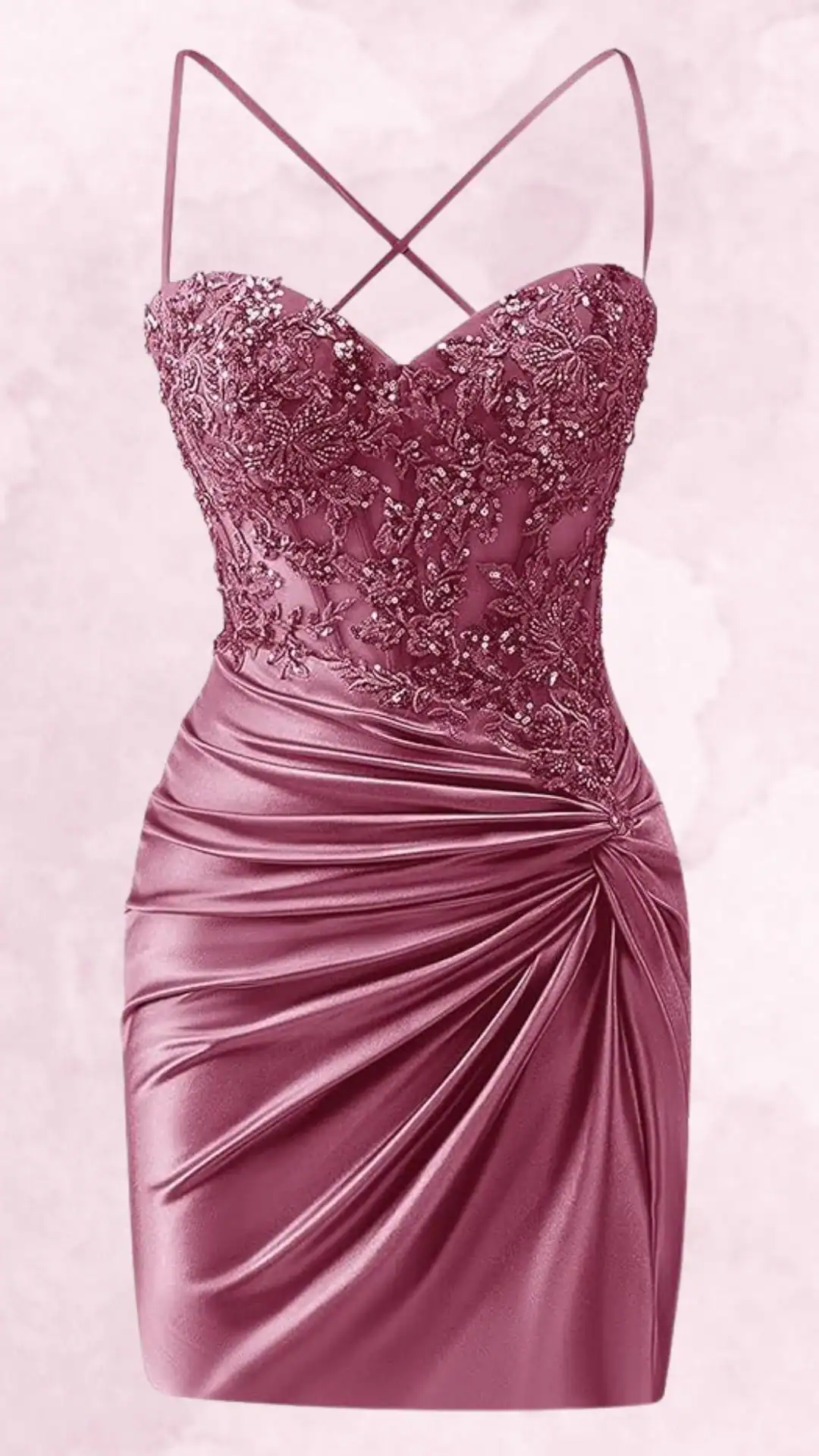
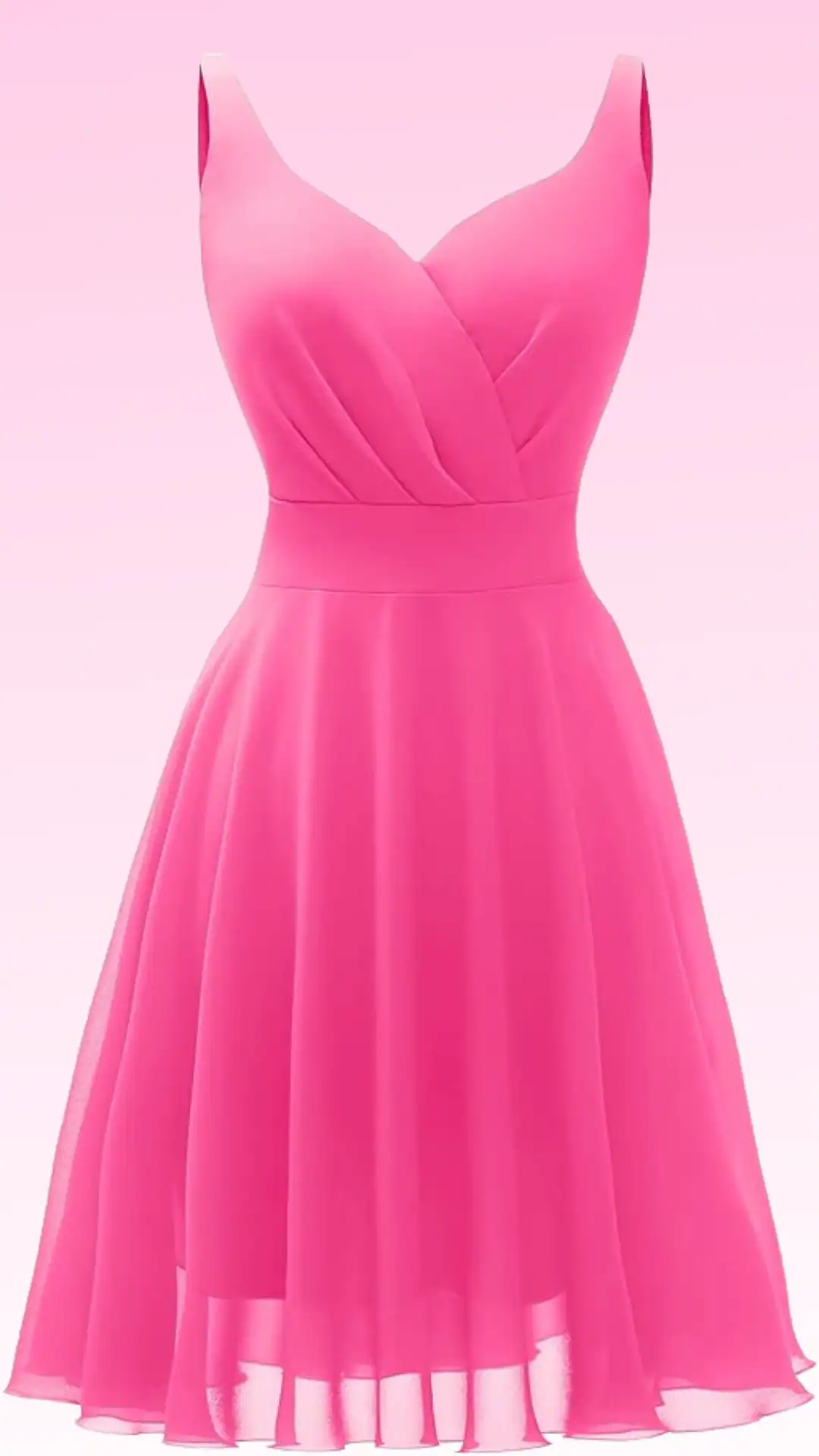
Step 4: Choose the Right Dress Style
Once you’ve considered the event, your body type, and the length of the dress, it’s time to focus on selecting the right style.
With so many different dress styles available, knowing which one suits your figure and the event can make all the difference.
- A line Dress: Ideal for most body types and a versatile choice.
- Shift Dress: Suits petite and rectangular body types; perfect for casual wear.
- Wrap Dress: Known for being universally flattering, great for defining the waist.
- Fit-and-Flare Dress: Excellent for creating curves and balance.
- Sheath Dress: A classic for more structured, professional events.
- Empire Dresses: An empire waist offers an elegant, regal look without being too form-fitting.
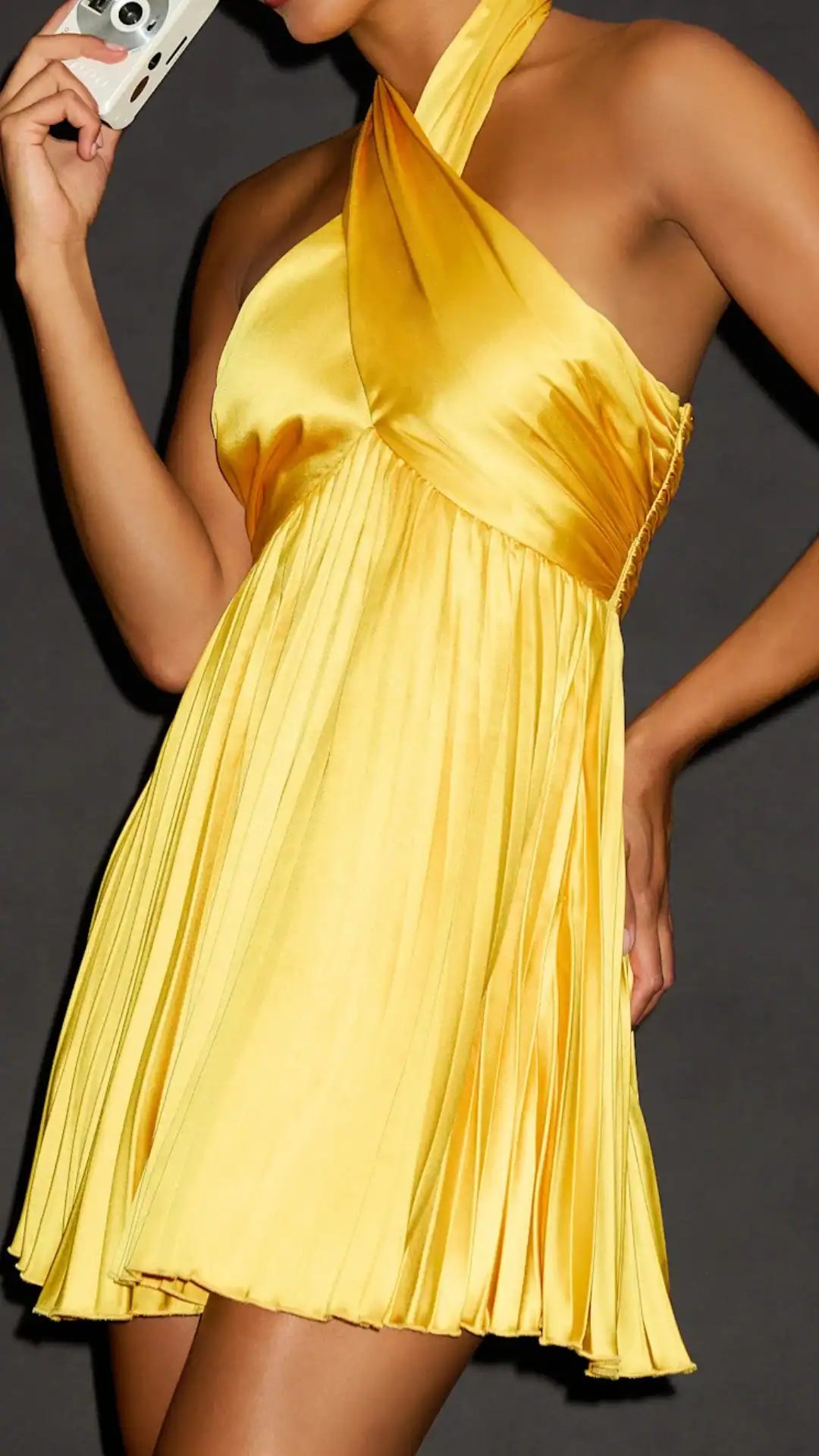
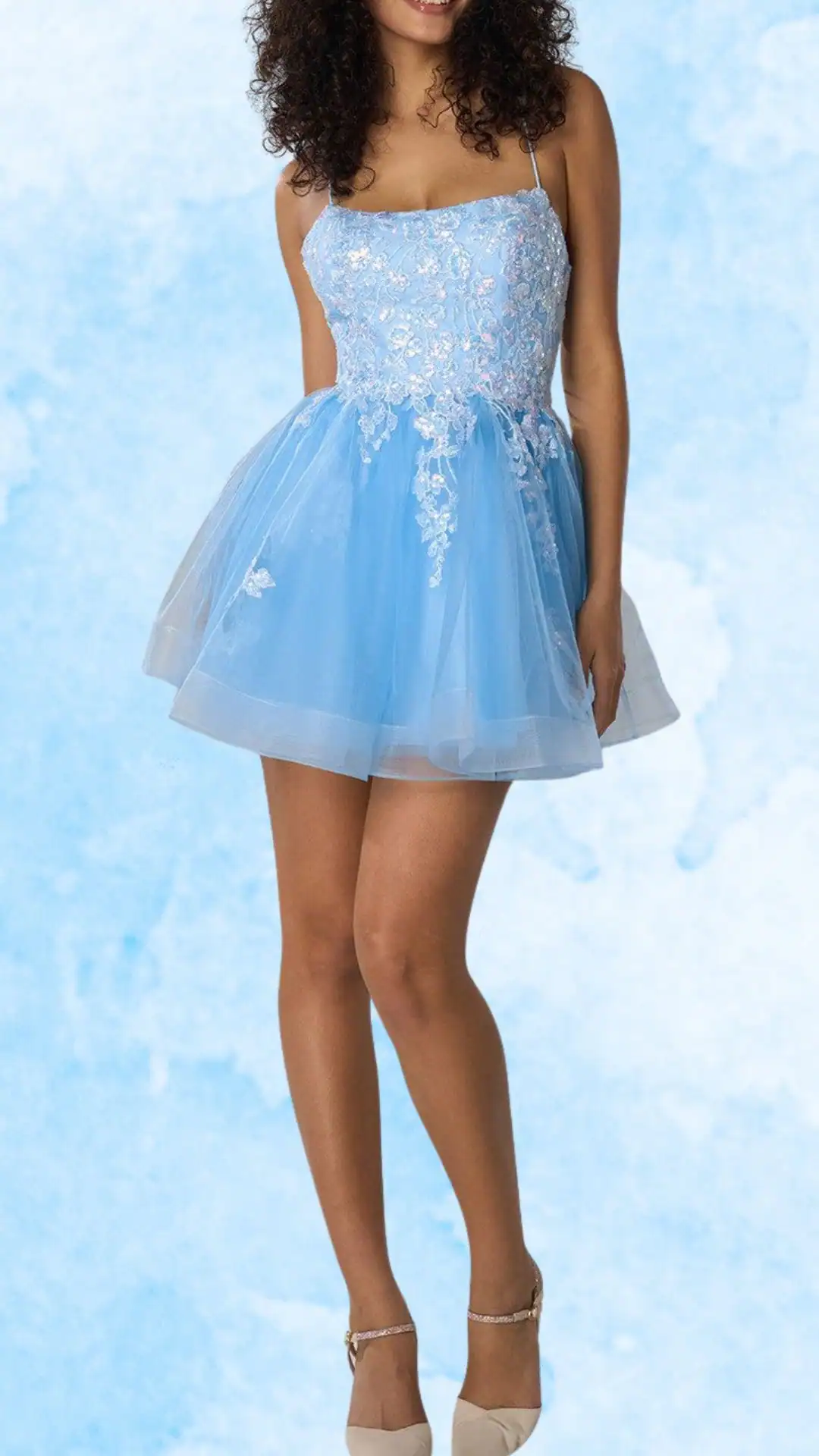
Step 5: Think about fabric and texture choices
Fabric and texture play a crucial role in how your homecoming dress looks, feels, and moves on the dance floor. The right fabric can elevate a simple dress, while the wrong one can make even the most flattering cut feel uncomfortable or inappropriate for the semi-formal nature of homecoming.
Lightweight fabrics like chiffon, jersey, and crepe are perfect for homecoming because they’re breathable, comfortable for dancing, and move beautifully as you walk. Chiffon is especially popular for homecoming dresses since it has an elegant drape while still being practical for hours of movement.
Structured fabrics like satin, taffeta, or mikado can hold their shape well and create that polished, dressy look that’s perfect for homecoming’s semi-formal dress code. These fabrics work especially well for A-line styles since they maintain the dress’s silhouette throughout the night.
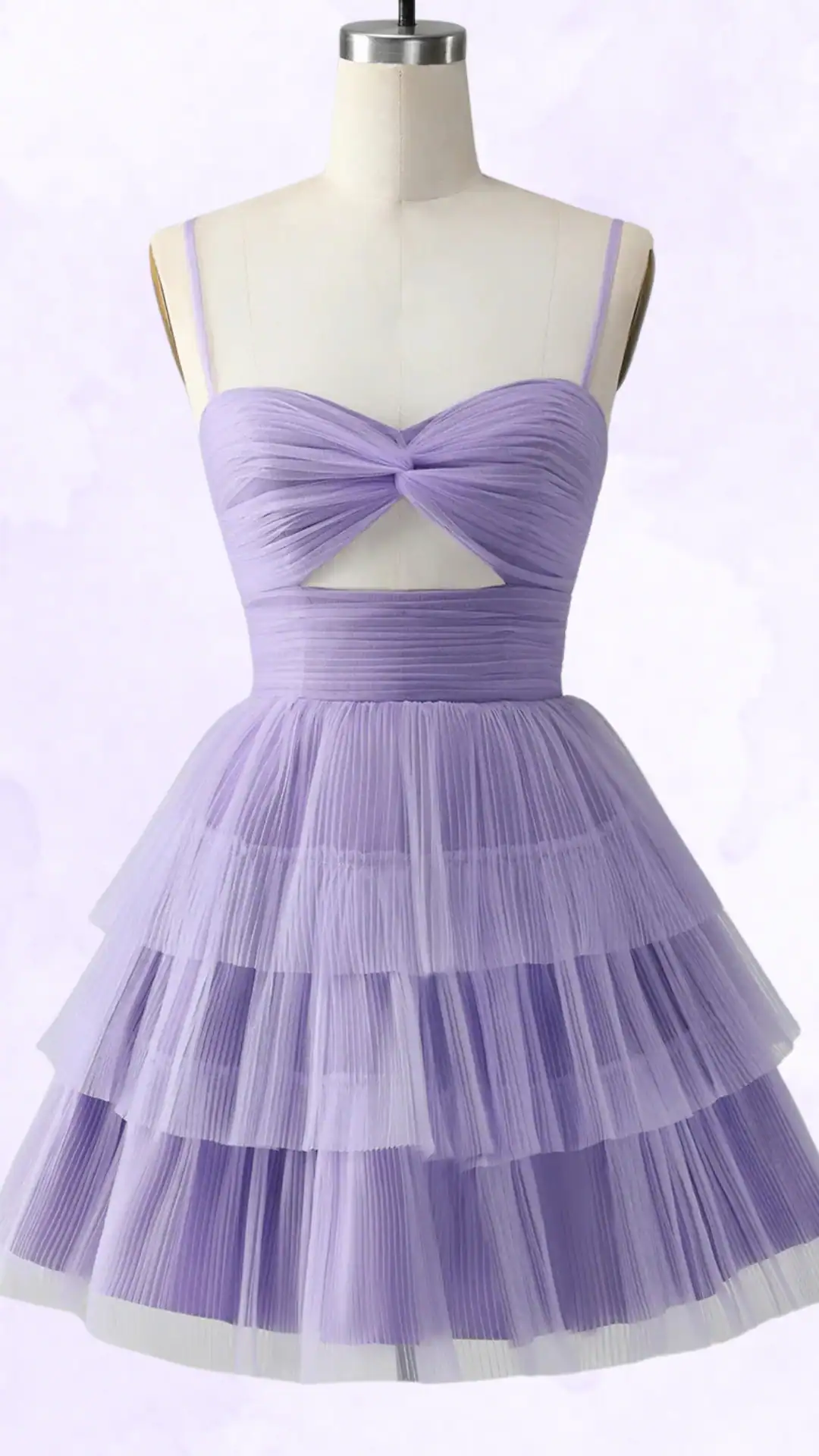
Textured fabrics such as lace, sequins, or subtle beading can add depth and visual interest to your homecoming dress without being overly formal. These details can bring a simple design to life and help you stand out in photos without needing bold colors or dramatic styling. Just remember that heavily textured fabrics might be less comfortable for extended dancing.
Avoid fabrics that are too casual (like cotton jersey) or too formal (like heavy brocade or stiff taffeta), as they won’t match homecoming’s semi-formal atmosphere. The key is finding a fabric that looks polished and feels comfortable enough to dance in all night.
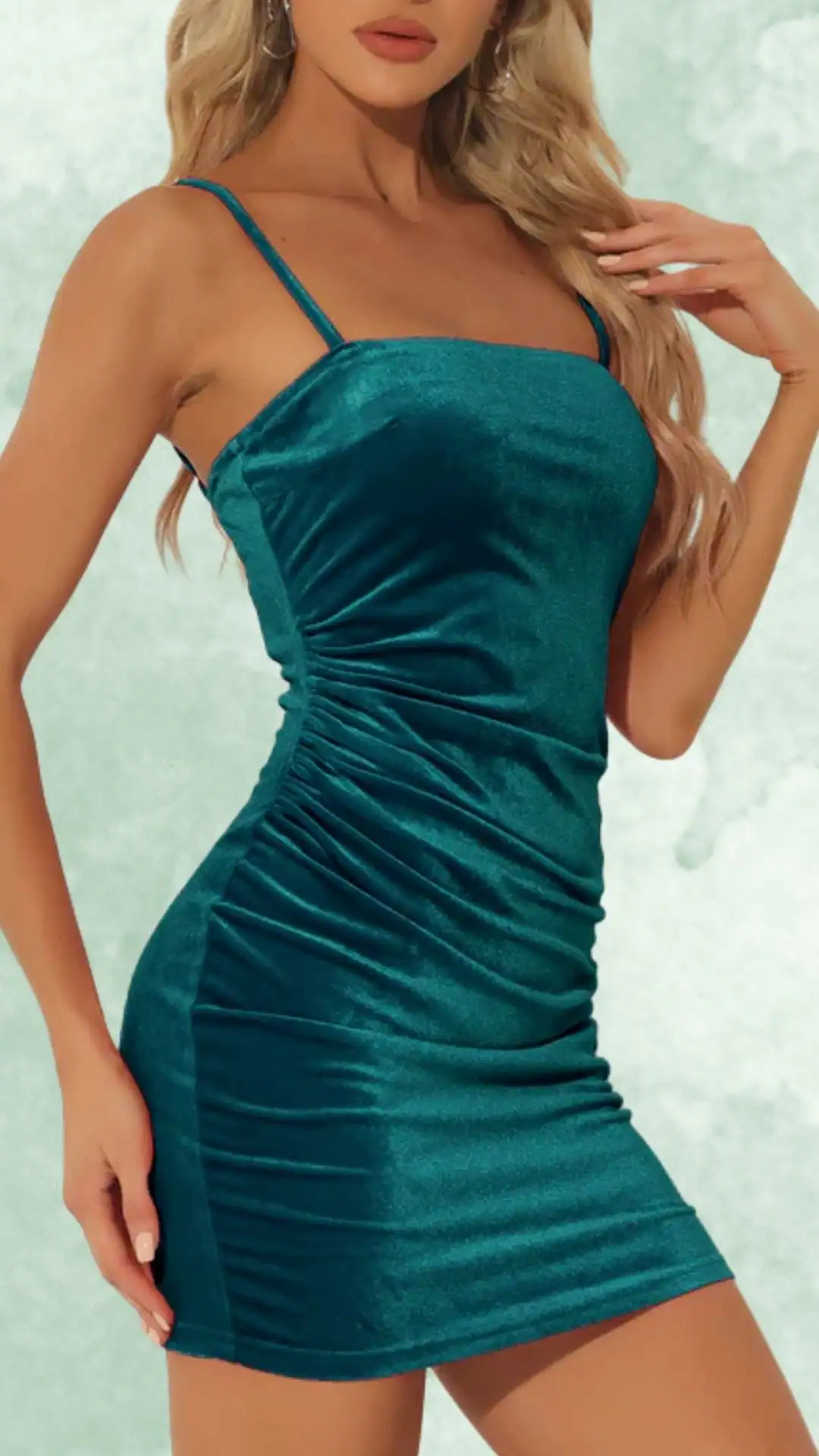
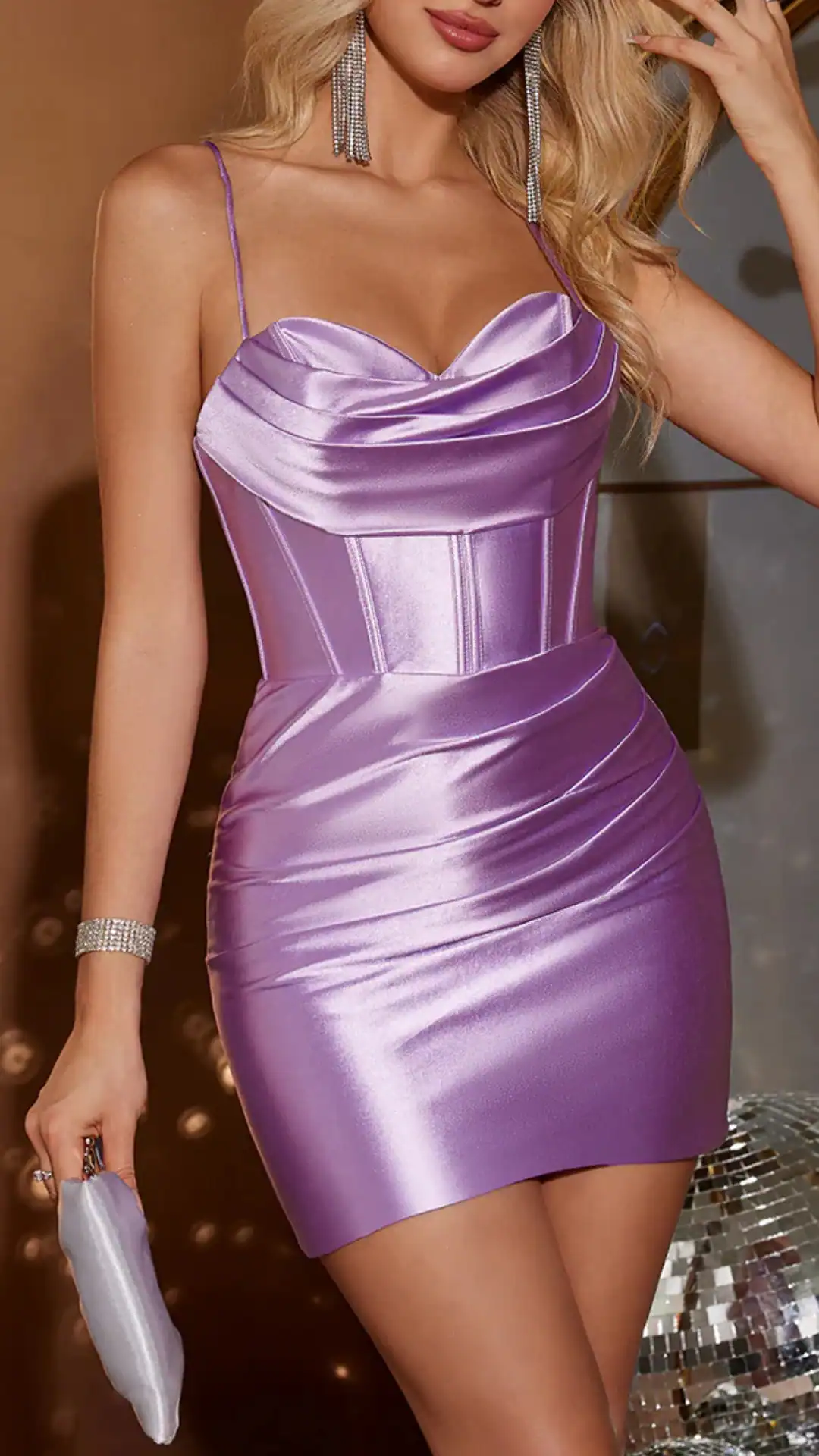
Step 6: Find your perfect color palette

When it comes to selecting the right color for your homecoming dress, think about what complements your skin tone, the season, and the setting of the event. Since homecoming typically happens in fall, you’ll want to balance seasonal appropriateness with what looks best on you.
Skin undertones generally fall into three categories: warm, cool, and neutral, and understanding yours will help you choose a homecoming dress color that makes you glow.
Warm undertones tend to look best in earthy and rich colors that are perfect for fall homecoming. Consider deep jewel tones like emerald, sapphire, or ruby, as well as warm metallics like gold or bronze. Rich burgundy, forest green, and warm navy are also excellent choices that align with both your undertones and the autumn season.
Cool undertones are flattered by colors with blue or purple bases, making classic homecoming colors like navy, royal blue, and deep purple perfect choices. Black provides a sleek, elegant backdrop that’s always popular for homecoming, while soft pinks and silvers can add a romantic touch that photographs beautifully.
Neutral undertones have the most flexibility and tend to look great in both muted, understated shades like blush pink and powder blue, as well as stronger jewel tones. This means you can choose based on personal preference and what fits the homecoming atmosphere at your school.
Remember that while following these guidelines helps, the most important thing is choosing a color that makes you feel confident and excited to wear it.
Step 7: Consider how the dress fits your personal style
Your homecoming dress should be a reflection of who you are, not just what’s trendy or what everyone else is wearing. Consider your everyday style preferences and how you can translate them into a semi-formal homecoming look that feels authentically you.
If you typically gravitate toward classic, timeless pieces, look for homecoming dresses with clean lines, elegant silhouettes, and minimal embellishments. A simple A-line dress in a solid color or a little black dress with subtle details might be perfect for you.
For those who love bold, statement-making fashion, homecoming is the perfect opportunity to embrace eye-catching colors, interesting textures, or unique design elements like cutouts, asymmetrical hemlines, or dramatic necklines. Two-piece sets or dresses with bold patterns can help you stand out while still fitting the dress code.
If your style is more romantic and feminine, consider dresses with lace details, soft fabrics like chiffon, floral patterns, or delicate embellishments. Fit-and-flare styles with pretty necklines can capture that sweet, girly aesthetic you love.
Those with an edgier style might prefer bodycon dresses, interesting back details, metallic fabrics, or dresses with modern cutout designs that feel contemporary and cool.
Remember that you’ll be wearing this dress for several hours and taking lots of photos, so choose something that feels like an elevated version of your personal style rather than a costume. When you feel like yourself, your confidence will shine through in every photo and interaction.
Step 8: Explore Our Hoco Dress Blogs and Dress Brands
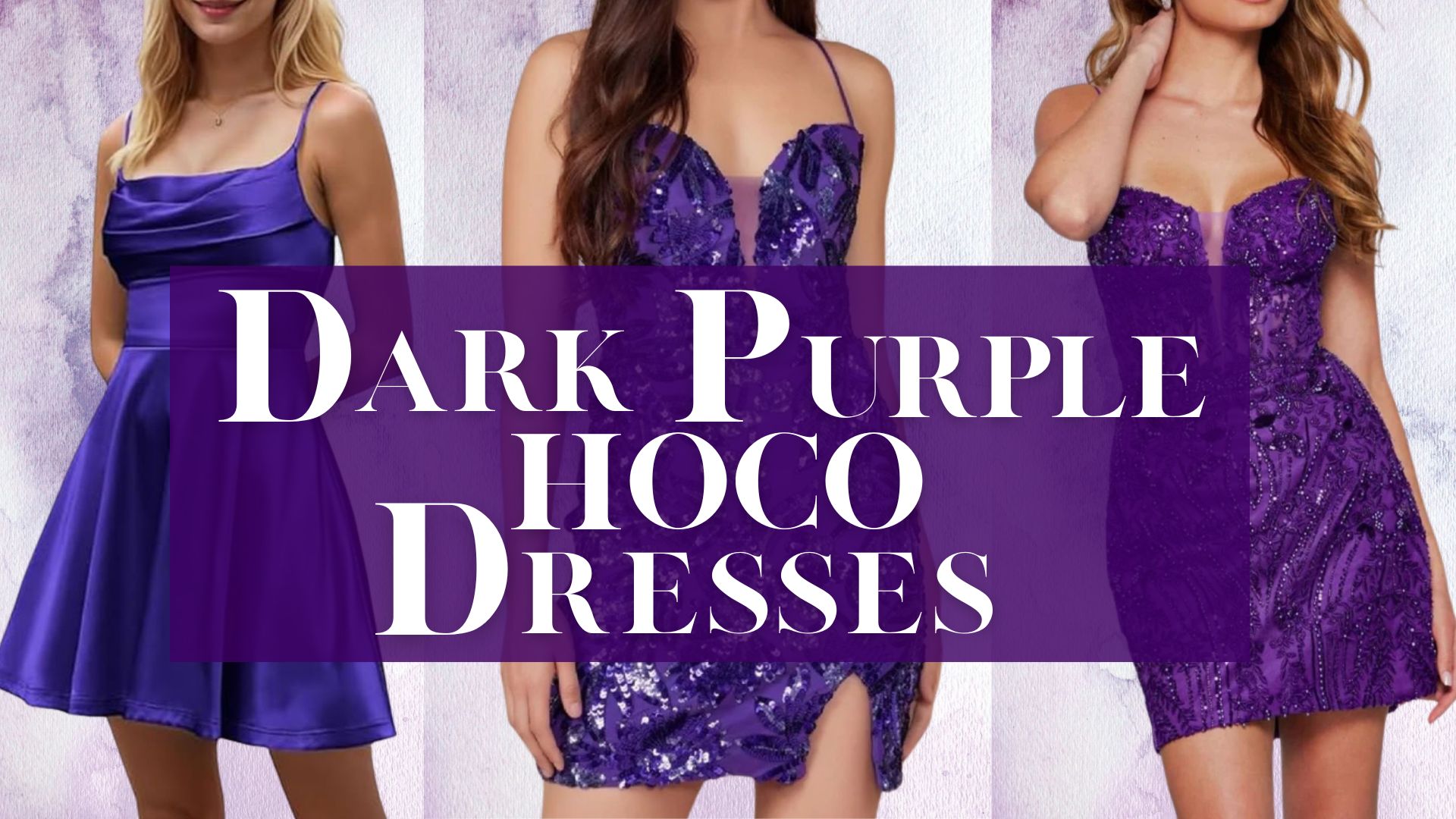
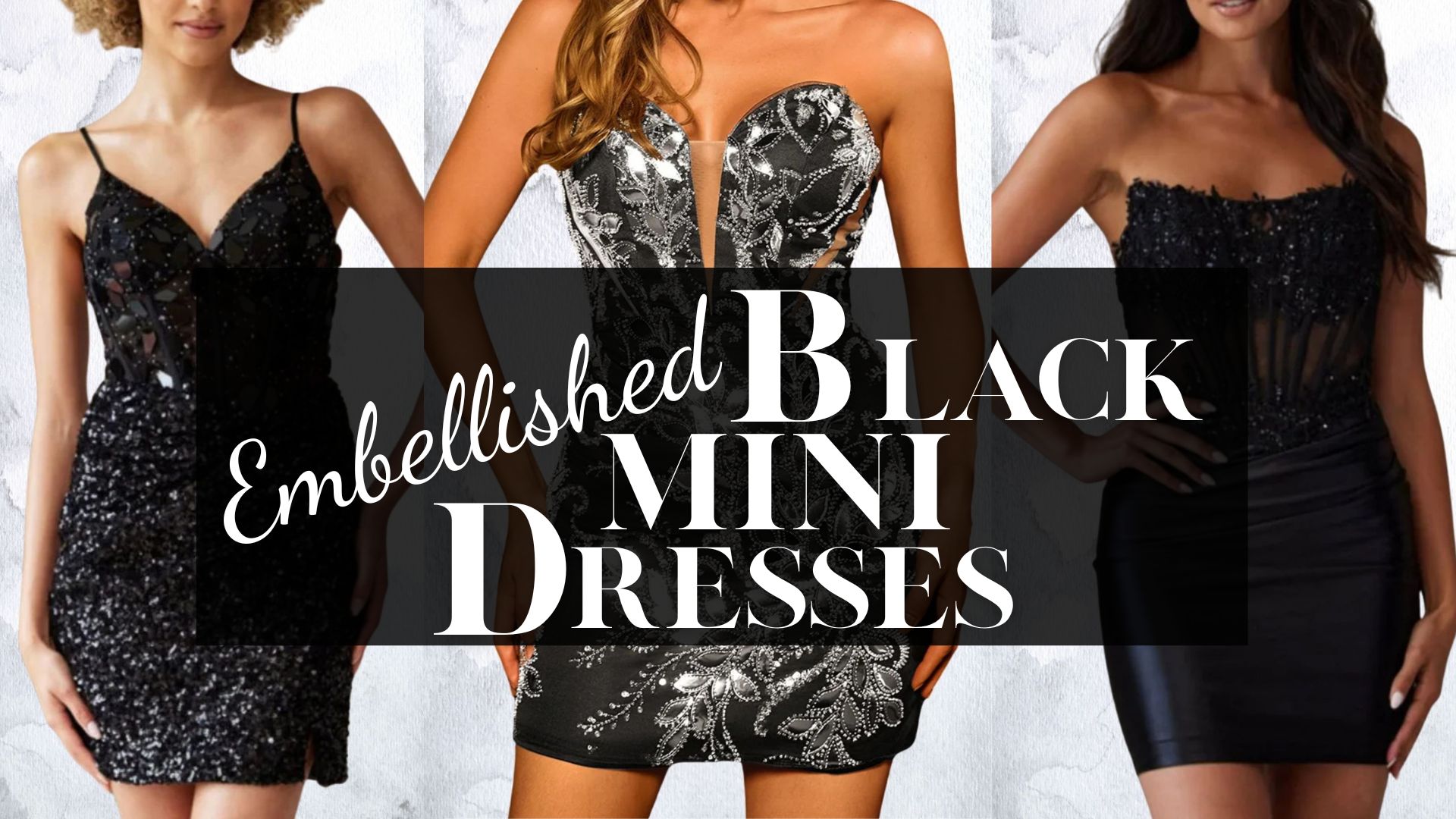
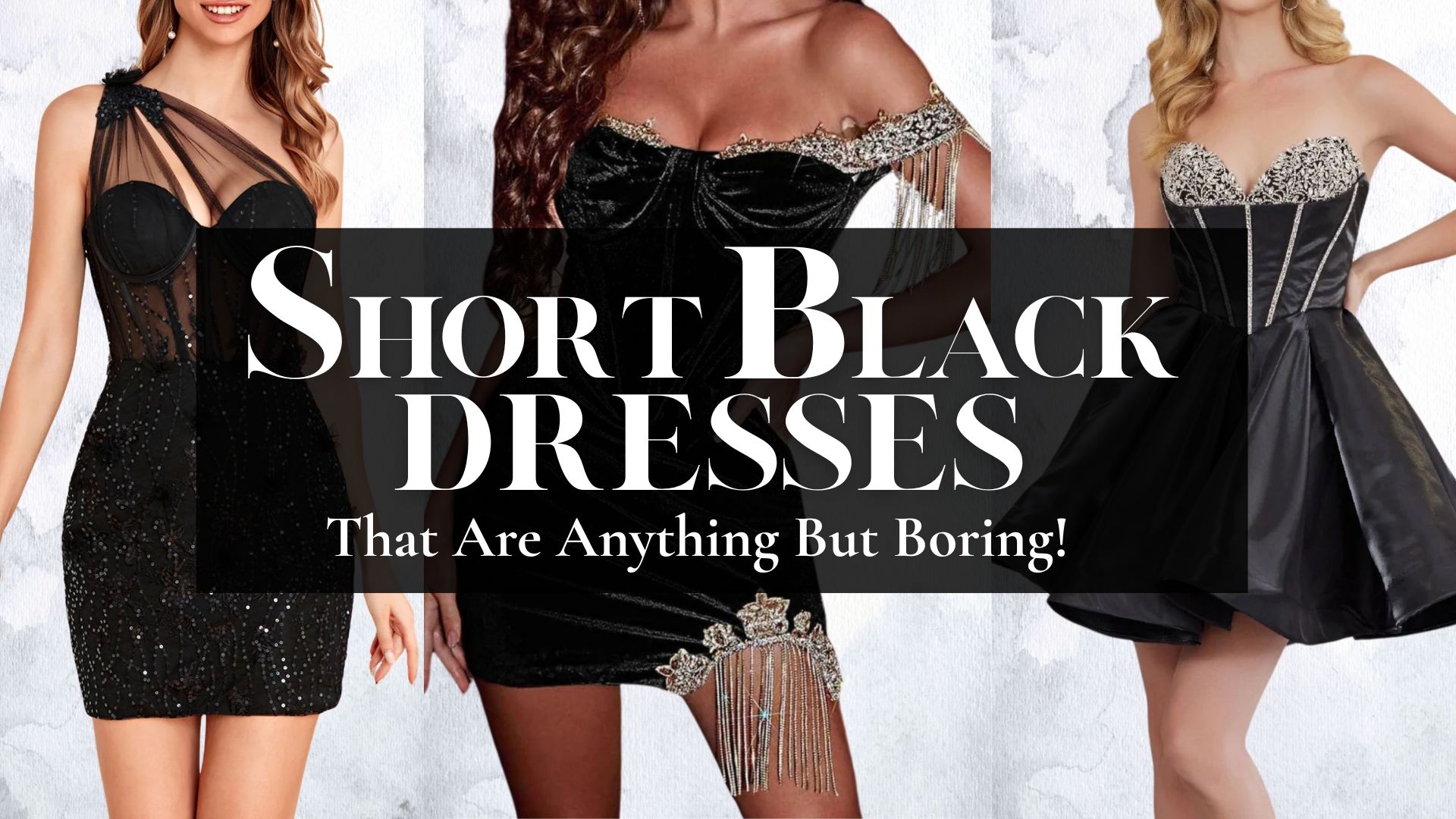
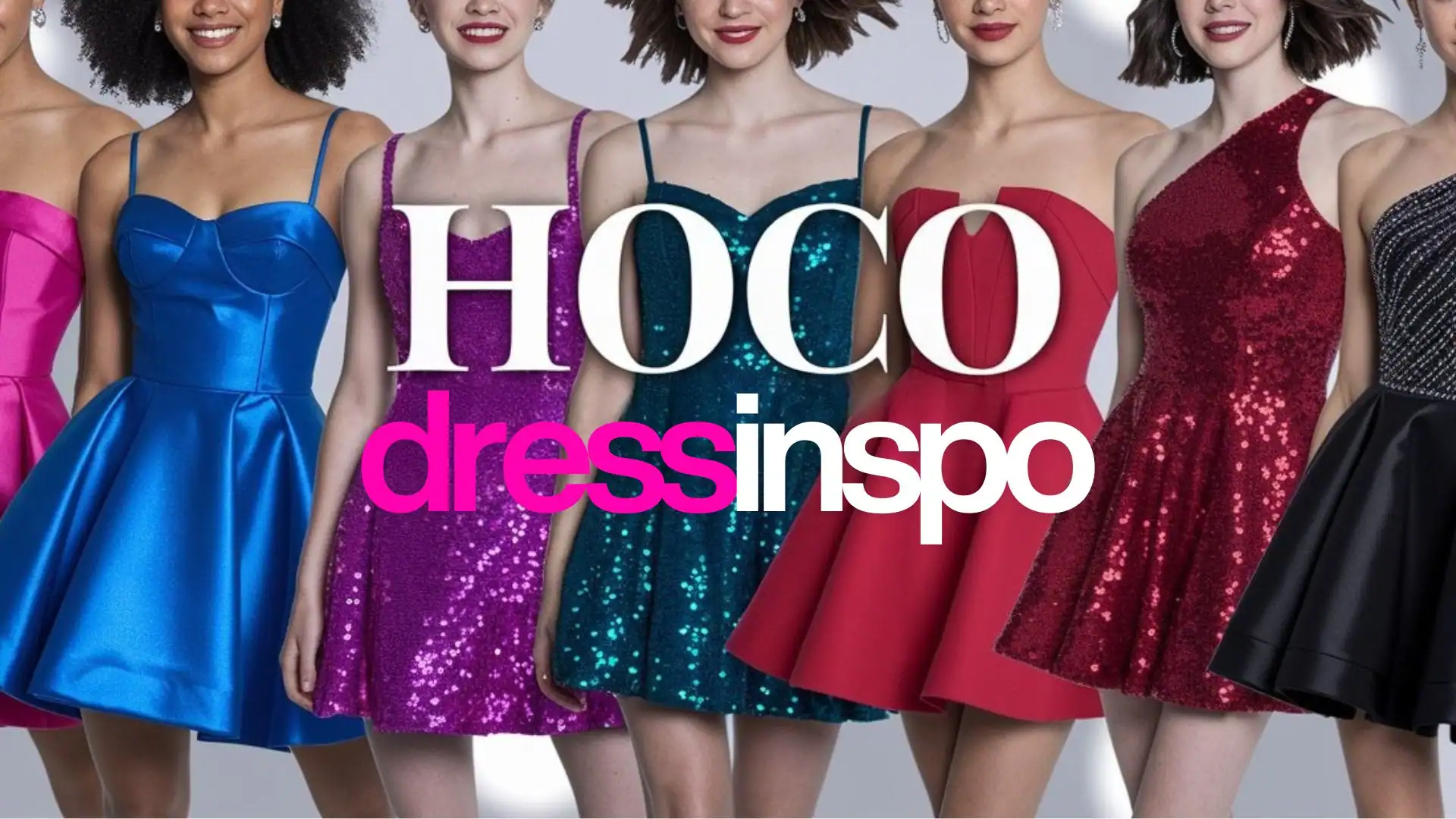
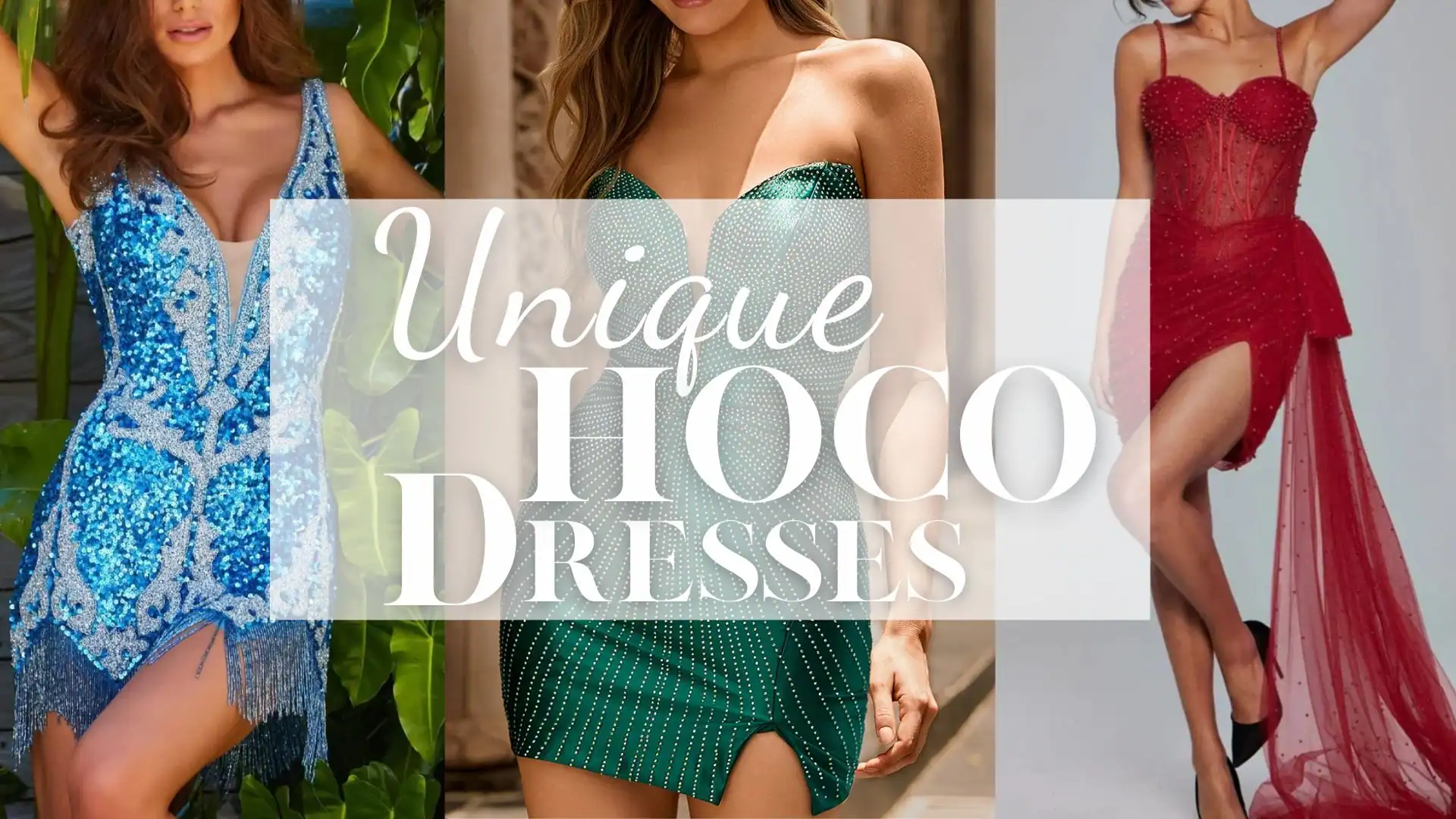
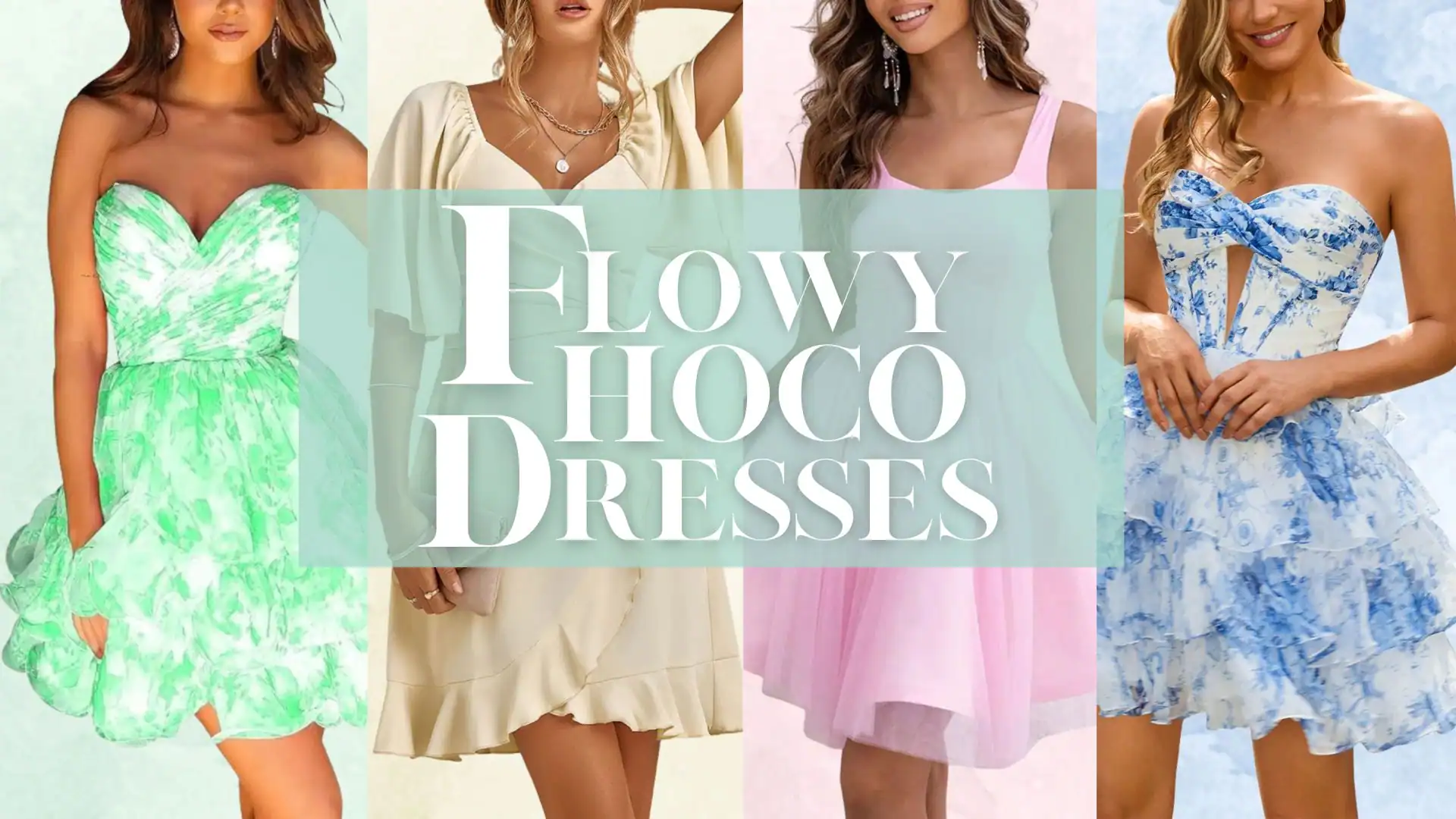
Now that you understand what to look for in a homecoming dress, it’s time to start exploring your options and gathering inspiration. Our comprehensive homecoming dress resources can help guide you through the shopping process and introduce you to the best brands for every budget and style preference.
Check out our detailed homecoming dress blogs that cover everything from the latest trends and color predictions to styling tips and outfit coordination ideas. These resources provide real-world examples of how different dress styles look on various body types and offer practical advice for accessorizing your homecoming look.
We’ve also curated a selection of trusted dress brands that specialize in homecoming attire, ranging from affordable options perfect for budget-conscious shoppers to designer pieces for those looking to make a statement. Our brand guides include information about sizing, quality, return policies, and what makes each brand unique, so you can shop with confidence.
Whether you’re looking for classic elegance, trendy two-piece sets, or something completely unique, our resources will help you discover brands that align with your style preferences and budget. Many of these brands also offer size-inclusive options and have helpful customer service teams that can assist with fit questions or styling advice.
Take time to browse through our recommendations, read reviews from other homecoming shoppers, and bookmark your favorite options. Having a clear idea of which brands and styles appeal to you will make your shopping experience much more efficient and enjoyable.
Step 9: Try It On As Soon As You Buy
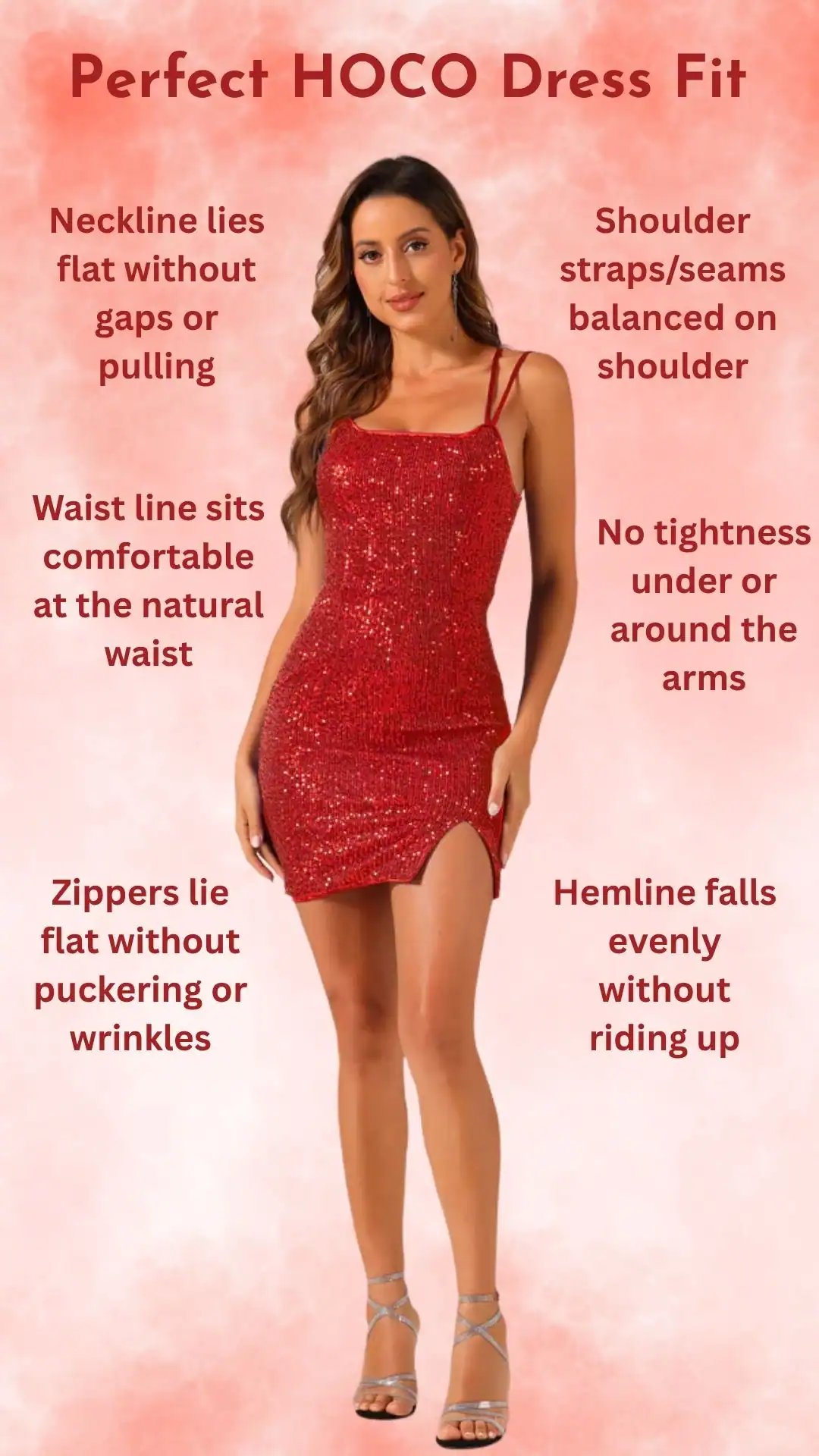
If you’re shopping for your homecoming dress online, it’s crucial to try it on immediately after it arrives to ensure you have enough time for returns, exchanges, or alterations if needed. Homecoming season can be busy for tailors and return processing, so don’t wait until the last minute.
As soon as your dress arrives, try it on with the undergarments and shoes you plan to wear to homecoming. This gives you the most accurate picture of how the dress will look and fit on the actual night. Check the length to make sure it meets your school’s dress code requirements, ensure the fit is comfortable for dancing, and verify that you can move your arms freely for photos and activities.
Pay attention to how the dress photographs since you’ll likely be taking lots of pictures. Sometimes dresses can look different in photos than they do in person, so take a few test shots in different lighting to make sure you’re happy with how it appears on camera.
If the dress doesn’t fit properly, feels uncomfortable, or isn’t what you expected, don’t hesitate to return or exchange it right away. Most online retailers have specific return windows, and you want to ensure you have enough time to find an alternative if needed. Keep all original packaging and tags until you’re completely satisfied with your purchase.
If the dress fits well overall but needs minor adjustments like hemming, schedule alterations as soon as possible. Many tailors get booked up during homecoming season, so early planning ensures your dress will be ready in time for the big night.
Finding the perfect homecoming dress doesn’t have to be overwhelming when you approach it with the right strategy. By understanding your body type, considering the dress code, choosing appropriate fabrics and colors, and staying true to your personal style, you’ll be well-equipped to find a dress that makes you feel confident and beautiful on this special night.
Remember that the best homecoming dress is one that allows you to dance comfortably, fits your school’s requirements, and reflects who you are. Whether you choose a classic A-line in black or opt for something bold and unique, the key is finding something that makes you excited to wear it and lets your personality shine through.
Take your time with the process, try things on early if shopping online, and don’t be afraid to ask for help from friends, family, or store associates. Homecoming is about celebrating with your classmates and creating memories that will last long after high school, so choose a dress that will make you feel amazing as you dance the night away. With these tips in mind, you’re ready to find your perfect homecoming dress and make the most of this memorable milestone.
What kind of dress should you wear to Hoco?
The best homecoming dress for you depends on your personal style, body type, and what makes you feel confident, but here are some popular options to consider.
For style, A-line dresses are universally flattering and comfortable for dancing, while fit-and-flare styles create a classic, feminine silhouette. Bodycon dresses offer a more form-fitting look if you want something sleek and modern. Two-piece sets with a crop top and skirt are trendy and offer more styling flexibility.
Regarding length, short dresses (above the knee) are the most common and practical for dancing, while knee-length offers a bit more coverage while still being appropriate for the semi-formal nature of homecoming. Tea-length can be elegant if you want something a bit different from the typical short dress.
For colors and patterns, choose something that complements your skin tone and personal style. Popular options include jewel tones, pastels, metallics, or classic black. Consider the season too – fall homecoming might call for deeper colors while spring events often feature lighter shades.
The most important factors are that your dress fits your school’s dress code, allows you to move comfortably for dancing, and makes you feel confident and beautiful. Try on different styles to see what works best for your body type and personal preferences. Remember, you’ll be wearing this for several hours and likely doing a lot of dancing, so comfort should be a key consideration alongside style.
What is the most common Hoco dress color?
Black is the most common homecoming dress color because it’s universally flattering, easy to accessorize, and works for any skin tone or body type. It’s also versatile enough that you can dress it up or down with different accessories and shoes.
Navy blue is another very popular choice for similar reasons – it’s classic, elegant, and goes with everything.
Beyond those staples, burgundy and other jewel tones like emerald or sapphire are also quite popular, especially for fall homecoming events since they fit the season. The popularity of specific colors can vary by year based on current fashion trends, but black consistently remains the top choice because it’s a safe, stylish option that never goes out of style.
What is the dress code for homecoming?
There is no single or overarching dress code for all homecoming across schools or states, it really depends on your individual situation.
Regular schools typically have a semi-formal dress code which is slightly dressy but not as formal or serious as prom.
However some schools state that dresses need to be at or below fingertip length when your arms are hanging at your sides, and you can’t have super low necklines or backless styles.

They will often issue guidelines and diagrams to help you understand what is and what is not allowed. Below is an example of a dress length guideline from one particular school so be sure to check at your school if there are similar guidelines or restrictions.

Guys typically need to wear a dress shirt with a tie and dress pants. The basic idea is that your outfit should be “school appropriate” but dressy – so no jeans, athletic wear, or anything too revealing. If you’re unsure about whether something follows the dress code, it’s always best to check with your school since the specific rules can vary quite a bit from place to place.
What do you wear at homecoming?
At homecoming, girls typically wear short semi-formal dresses that hit around knee-length, paired with dress shoes like heels or nice flats. The dresses are usually A-line or fit-and-flare styles in colors like jewel tones, pastels, or classic options like black or navy.
Guys wear dress shirts with ties, dress pants or khakis, and dress shoes – some schools require a blazer or suit jacket too. The overall look is dressier than what you’d wear to school but not as formal as prom attire.
You want to look put-together and feel confident while still being comfortable enough to dance and have fun all night. Most people also coordinate their outfits if they’re going with a date, and accessories like jewelry, a clutch, and a corsage or boutonniere complete the look.
What is the typical homecoming dress?
The typical homecoming dress is a short, semi-formal dress that hits above the knee to knee-length. Most are A-line or fit-and-flare styles because they’re universally flattering and comfortable for dancing throughout the night.
Common features include sleeveless or short-sleeved designs, modest necklines like scoop necks or V-necks, and fabrics like chiffon, satin, or jersey that move well but still look polished.
The dresses usually have some special details to make them feel dressy – things like lace accents, subtle beading, cutout details, or interesting back designs – but they’re not as heavily embellished as prom dresses.
Popular colors vary by season and current trends, but you’ll often see jewel tones, pastels, metallics, navy, burgundy, or classic black. Floral patterns and solid colors are both common choices. The overall look is polished and pretty but not overly glamorous.
Most homecoming dresses fall in the $50-150 range, making them more accessible than prom dresses. They’re designed to be stylish enough for photos and special enough for the occasion, but practical enough for hours of dancing and socializing. The goal is to look put-together and feel confident while still being able to move comfortably and have fun with friends.
This style strikes the perfect balance between looking dressed up for a special occasion while maintaining the more relaxed, celebratory atmosphere that defines homecoming.
What is a homecoming dress vs prom dress?
The main differences between homecoming and prom dresses reflect the different levels of formality and nature of each event.
Homecoming dresses are typically shorter (above the knee to knee-length), less formal, and more affordable. They’re designed for a semi-formal event that’s more casual and relaxed. The styles tend to be simpler with fewer embellishments, though they can still be very stylish and elegant. Since homecoming usually happens earlier in the school year and involves lots of dancing, these dresses prioritize comfort and ease of movement. You’re more likely to see fun colors, playful patterns, and trendy styles that reflect current fashion.
Prom dresses are generally longer (floor-length gowns are the norm), more formal, and elaborate. They’re designed for what’s considered the most formal event of the school year. These dresses often feature intricate beading, sequins, lace, or other detailed embellishments. They tend to be more expensive and are often bought specifically for this one special occasion. The styles are more dramatic and glamorous, with fuller skirts, trains, or sophisticated silhouettes. Prom dresses are meant to create a more “red carpet” or “fairy tale” look.
Think of homecoming as a nice dinner out versus prom being a black-tie gala. Both require dressing up, but prom calls for that extra level of glamour and formality. The key is matching your dress choice to the event’s atmosphere and your school’s typical expectations.
Are Hoco dresses supposed to be short or long?
Homecoming dresses are typically short to knee-length or above the knee, but there’s no strict rule about length. Some girls do wear longer dresses below the knee but short dresses are usually the standard.
Floor-length gowns are not that common for homecoming since it’s generally less formal than prom, but they’re not necessarily against the rules either. Ultimately, as long as you meet your school’s dress code requirements, you can choose the length that makes you feel most confident and comfortable.
If you’re unsure, don’t be afraid to look at photos from previous years or ask around to get a good sense of what’s typical.
Are long dresses ok for homecoming?
Yes, long dresses are generally okay for homecoming, though they’re less common than shorter ones. They’re acceptable because they still meet the formal or semi-formal dress code, no school rule typically prohibits them, and some girls simply prefer the elegance of a longer dress or find them more modest.
However, they’re less popular because homecoming is traditionally less formal than prom, and they may make you feel overdressed compared to your classmates.
But look, if you love long dresses and feel confident in one, go for it! While you might stand out a bit since most people wear shorter dresses, there’s nothing wrong with choosing a longer style if that’s what makes you feel your best. The most important thing is that you feel comfortable and confident in whatever you choose to wear.
What to wear to homecoming instead of a dress?

Girls have several stylish alternatives to dresses for prom:
- Jumpsuits and rompers: Wide-leg jumpsuits or elegant rompers can look very formal and sophisticated. Look for ones in luxe fabrics like satin, chiffon, or crepe with embellishments or interesting details.
- Two-piece sets: Matching crop tops and skirts, or dressy separates that coordinate well together. These can be just as formal as a dress while offering more versatility.
- Dressy pantsuits: A well-tailored pantsuit in a formal fabric can be incredibly chic. Think wide-leg trousers with a fitted blazer or elegant top.
- Skirt and top combinations: A formal skirt (like a long satin or tulle skirt) paired with a dressy blouse or embellished top.
- Formal shorts suits: For a more unique look, dressy shorts in a luxe fabric paired with a formal top or blazer.
- Dressy overalls or culotte jumpsuits: More unconventional but can look very fashion-forward when styled right.
The key is choosing pieces in formal fabrics like satin, silk, velvet, or chiffon, and adding elegant accessories like jewelry, formal shoes, and a clutch. Many of these options can actually be more comfortable for dancing than traditional gowns while still looking appropriately formal for prom.
Are you supposed to wear a dress to homecoming?
You’re not required to wear a dress to homecoming – it’s just the most common choice for girls. Schools typically set dress codes based on formality level (like “semi-formal” or “formal”) rather than requiring specific garments.
Girls can wear any form of semi-formal attire because the key is meeting the dress code’s level of formality, not wearing a specific type of clothing. However, since homecoming is generally less formal than prom, there’s usually more flexibility in what’s considered appropriate.
Some schools do have specific guidelines about things like dress length, necklines, or overall coverage, but these are about appropriateness rather than requiring dresses specifically.
If you’re unsure about your school’s expectations, you can check with the administration, look at photos from previous years, or ask friends who’ve attended before. The goal is to dress appropriately for the event’s formality level while feeling comfortable and confident in what you’re wearing.
Why do girls wear short dresses to homecoming?
Girls choose to wear shorter dresses for homecoming because for many high school students, homecoming is one of the few formal events where they get to dress up and show off their style, so looking their best is definitely the top priority.
However, many homecoming dances happen in fall when it’s still relatively warm in many places, making shorter dresses more comfortable temperature-wise. The event also involves a lot of dancing, and shorter dresses are easier to move and dance in compared to long gowns.
Shorter dresses are also seen as more youthful and fun, which matches the energy and vibe of homecoming events. Certain styles of long dresses can certainly work for homecoming but the majority of girls tend to go for shorter mini styles.
What is too casual for homecoming?

For homecoming, outfits for girls that are typically too casual include:
- Jeans, leggings, or casual pants
- T-shirts, crop tops, or casual blouses
- Sneakers, flip-flops, or very casual flats
- Athleisure wear or gym clothes
- Overly revealing or beachwear-style clothing
Homecoming generally calls for semi-formal to formal attire. Think of it as dressing up more than you would for school but potentially less formal than prom. Most people wear dress shirts with slacks or suits for guys, and cocktail dresses or formal dresses for girls, paired with dress shoes.
The specific dress code can vary by school, so it’s always good to check if your school has published guidelines or ask friends who attended previous years what the typical attire level is.